Buy watchnudefree.eu ?
We are moving the project
watchnudefree.eu .
Are you interested in purchasing the domain
watchnudefree.eu ?
domain@kv-gmbh.de · 0541-91531010
Buy watchnudefree.eu ?
How is ATP formed?
ATP is formed through the process of cellular respiration, which occurs in the mitochondria of cells. During cellular respiration, glucose is broken down in a series of steps, releasing energy that is used to convert ADP (adenosine diphosphate) into ATP (adenosine triphosphate). This process involves the electron transport chain and the production of ATP synthase, which adds a phosphate group to ADP to form ATP. Overall, ATP is formed through the transfer of energy from glucose to ADP, creating a molecule that serves as the primary energy source for cellular activities. **
Where does ATP come from?
ATP, or adenosine triphosphate, is produced in the mitochondria of cells through a process called cellular respiration. During cellular respiration, glucose is broken down in the presence of oxygen to produce ATP, which serves as the primary energy source for cellular activities. Additionally, ATP can also be generated through the process of photosynthesis in plant cells, where sunlight is used to convert carbon dioxide and water into glucose and oxygen, ultimately leading to the production of ATP. **


Similar search terms for ATP
Top-Angebote
Products related to ATP:
-
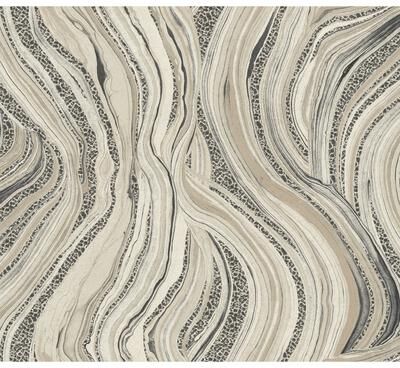
Ronald Redding Streaming Cheetah Linen WallpaperMarble veining and animal skin combine to compose a stream of color and print in pattern Streaming Cheetah. This Streaming Cheetah Wallpaper measures approximately 27 inches wide by 27 feet long, covering About 60.8 square feet per roll.170,00 $*Shipping: 0,00 $Secure redirect to the provider
-
Sage Naked 54mm PortafilterIntroducing Sage the Naked Portafilter, a precision tool designed to help you fine-tune your espresso extraction with clarity and control. Crafted from durable stainless steel and finished with a beautifully balanced walnut handle, this portafilter adds an elegant touch to any Sage espresso setup while offering professional-level functionality. By exposing the bottom of the portafilter, the Naked design allows you to visually diagnose and troubleshoot your espresso shots in real time. Watch the flow, spot channelling, and adjust your grind, dose, or tamping technique to achieve the perfect pour. This level of visibility is essential for anyone looking to refine their espresso-making skills and consistently produce café-quality results. The ergonomic walnut handle is thoughtfully designed with a thumb stop for a secure and comfortable grip, ensuring stability and ease of use during every shot. Compatible with 54mm Sage portafilters, this tool integrates seamlessly into your existing setup, making it an ideal upgrade for home baristas and professionals alike. Complete with a Sage 2 year warranty. Dimensions: 22.3(H) x 5.7(W) x 7.5(D)cm.79,95 £*Shipping: 0,00 £Secure redirect to the provider
-
Sage Naked 58mm PortafilterIntroducing Sage the Naked Portafilter, a precision tool designed to help you fine-tune your espresso extraction with clarity and control. Crafted from durable stainless steel and finished with a beautifully balanced walnut handle, this portafilter adds an elegant touch to any Sage espresso setup while offering professional-level functionality. By exposing the bottom of the portafilter, the Naked design allows you to visually diagnose and troubleshoot your espresso shots in real time. Watch the flow, spot channelling, and adjust your grind, dose, or tamping technique to achieve the perfect pour. This level of visibility is essential for anyone looking to refine their espresso-making skills and consistently produce café-quality results. The ergonomic walnut handle is thoughtfully designed with a thumb stop for a secure and comfortable grip, ensuring stability and ease of use during every shot. Compatible with 58mm Sage portafilters, this tool integrates seamlessly into your existing setup, making it an ideal upgrade for home baristas and professionals alike. Complete with a Sage 2 year warranty. Dimensions: 22.4(H) x 6.1(W) x 7.9(D)cm.89,95 £*Shipping: 0,00 £Secure redirect to the provider



-
What are ATP and ADP?
ATP (adenosine triphosphate) is a molecule that stores and transfers energy within cells. It is often referred to as the "energy currency" of the cell because it provides the energy needed for various cellular processes. When ATP is used for energy, it is converted to ADP (adenosine diphosphate) by releasing one phosphate group, along with the energy stored in the bond. ADP can then be converted back to ATP through cellular respiration to replenish the cell's energy supply. **
-
What is ATP explained simply?
ATP, or adenosine triphosphate, is often referred to as the "energy currency" of the cell. It is a molecule that stores and transfers energy within cells for various cellular processes. When ATP is broken down into ADP (adenosine diphosphate) and inorganic phosphate, energy is released and can be used by the cell to fuel activities such as muscle contractions, nerve impulses, and protein synthesis. In essence, ATP provides the necessary energy for cells to carry out their functions and maintain life. **
-
What are glucose and ATP?
Glucose is a simple sugar that serves as the primary source of energy for our cells. It is obtained from the food we eat and is broken down through a series of metabolic processes to produce ATP (adenosine triphosphate). ATP is often referred to as the "energy currency" of the cell because it stores and transfers energy within cells for various cellular functions. Both glucose and ATP play crucial roles in providing energy for the body to carry out its daily functions. **
-
What is ATP in biology?
ATP, or adenosine triphosphate, is a molecule that serves as the primary energy currency in living organisms. It is composed of an adenosine molecule and three phosphate groups, and its high-energy phosphate bonds store and release energy for cellular processes. ATP is produced during cellular respiration and photosynthesis, and it is used to power various biological processes such as muscle contraction, active transport, and chemical synthesis. In essence, ATP is essential for the functioning and survival of all living organisms. **


What is ATP, KP, and ADP?
ATP (adenosine triphosphate) is a molecule that stores and transfers energy within cells. It is often referred to as the "energy currency" of the cell. KP (potassium phosphate) is a salt that contains potassium and phosphate ions. It is involved in various cellular processes, including energy metabolism. ADP (adenosine diphosphate) is a molecule that forms when ATP loses one of its phosphate groups during energy-releasing reactions. ADP can be converted back into ATP through cellular respiration to replenish the cell's energy supply. **
What is the function of ATP?
ATP (adenosine triphosphate) is often referred to as the "energy currency" of the cell. Its primary function is to store and transfer energy within cells for various cellular processes. ATP is used to power chemical reactions, transport molecules across cell membranes, and drive muscle contractions. Essentially, ATP provides the energy needed for all cellular activities to occur. **
Top-Angebote
Products related to ATP:
-
Taboo Uncensored Adult Party Board Game for Adults by HasbroGet ready for outrageous clues, quick thinking, and plenty of laughs with Taboo Uncensored, the adult-only party game from Hasbro Gaming. This edition brings the classic Taboo gameplay to grown-up gatherings with irreverent pop-culture references, risqué topics, and deliberately uncensored humor. Players give clues without saying the forbidden words, while the opposing team listens for any slip-up. The game includes 240 cards featuring 480 guessing words and is designed for fast-paced team gameplay with a timer and buzzer. Suitable for players aged 17 and over, Taboo Uncensored makes a lively choice for parties, game nights, and groups of friends.22,29 £*Shipping: 3,95 £Secure redirect to the provider
-
Roku HD Streaming StickTransform any TV into America’s #1 streaming platform with the Roku Streaming Stick HD. Enjoy quick access to 500+ free HD channels, including live news, sports, weather, and more — all from a sleek, compact device that stays out of sight. Key Features TV Streaming Made Easy: Explore popular apps, free movies, shows, and live TV effortlessly. Streaming has never been simpler or more fun. Compact Design, No Compromises: The stick’s slim design won’t block adjacent HDMI ports and even powers directly from your TV — no wall outlet or extra cords needed. All-in-One Remote: Control your TV and Roku device with a single remote. Adjust volume, power on/off, and search using voice commands. Portable Entertainment: Take your favorite shows with you while traveling without needing to log in on other devices. Bluetooth Headphone Mode: Stream privately by pairing your headphones directly to the Roku Streaming Stick. Apps & Entertainment BBC iPlayer All 4 Netflix Amazon Prime Video YouTube Apple TV+ Disney+ Vimeo Movie rentals Interfaces & Connectivity Wi-Fi enabled General Information Remote control included Compatible with HD TVs EAN: 82961000844827,99 £*Shipping: 0,00 £Secure redirect to the provider
-
Ronald Redding Streaming Cheetah Linen WallpaperMarble veining and animal skin combine to compose a stream of color and print in pattern Streaming Cheetah. This Streaming Cheetah Wallpaper measures approximately 27 inches wide by 27 feet long, covering About 60.8 square feet per roll.170,00 $*Shipping: 0,00 $Secure redirect to the provider
-
How is ATP formed?
ATP is formed through the process of cellular respiration, which occurs in the mitochondria of cells. During cellular respiration, glucose is broken down in a series of steps, releasing energy that is used to convert ADP (adenosine diphosphate) into ATP (adenosine triphosphate). This process involves the electron transport chain and the production of ATP synthase, which adds a phosphate group to ADP to form ATP. Overall, ATP is formed through the transfer of energy from glucose to ADP, creating a molecule that serves as the primary energy source for cellular activities. **
-
Where does ATP come from?
ATP, or adenosine triphosphate, is produced in the mitochondria of cells through a process called cellular respiration. During cellular respiration, glucose is broken down in the presence of oxygen to produce ATP, which serves as the primary energy source for cellular activities. Additionally, ATP can also be generated through the process of photosynthesis in plant cells, where sunlight is used to convert carbon dioxide and water into glucose and oxygen, ultimately leading to the production of ATP. **
-
What are ATP and ADP?
ATP (adenosine triphosphate) is a molecule that stores and transfers energy within cells. It is often referred to as the "energy currency" of the cell because it provides the energy needed for various cellular processes. When ATP is used for energy, it is converted to ADP (adenosine diphosphate) by releasing one phosphate group, along with the energy stored in the bond. ADP can then be converted back to ATP through cellular respiration to replenish the cell's energy supply. **
-
What is ATP explained simply?
ATP, or adenosine triphosphate, is often referred to as the "energy currency" of the cell. It is a molecule that stores and transfers energy within cells for various cellular processes. When ATP is broken down into ADP (adenosine diphosphate) and inorganic phosphate, energy is released and can be used by the cell to fuel activities such as muscle contractions, nerve impulses, and protein synthesis. In essence, ATP provides the necessary energy for cells to carry out their functions and maintain life. **
Similar search terms for ATP
-
Sage Naked 54mm PortafilterIntroducing Sage the Naked Portafilter, a precision tool designed to help you fine-tune your espresso extraction with clarity and control. Crafted from durable stainless steel and finished with a beautifully balanced walnut handle, this portafilter adds an elegant touch to any Sage espresso setup while offering professional-level functionality. By exposing the bottom of the portafilter, the Naked design allows you to visually diagnose and troubleshoot your espresso shots in real time. Watch the flow, spot channelling, and adjust your grind, dose, or tamping technique to achieve the perfect pour. This level of visibility is essential for anyone looking to refine their espresso-making skills and consistently produce café-quality results. The ergonomic walnut handle is thoughtfully designed with a thumb stop for a secure and comfortable grip, ensuring stability and ease of use during every shot. Compatible with 54mm Sage portafilters, this tool integrates seamlessly into your existing setup, making it an ideal upgrade for home baristas and professionals alike. Complete with a Sage 2 year warranty. Dimensions: 22.3(H) x 5.7(W) x 7.5(D)cm.79,95 £*Shipping: 0,00 £Secure redirect to the provider
-
Sage Naked 58mm PortafilterIntroducing Sage the Naked Portafilter, a precision tool designed to help you fine-tune your espresso extraction with clarity and control. Crafted from durable stainless steel and finished with a beautifully balanced walnut handle, this portafilter adds an elegant touch to any Sage espresso setup while offering professional-level functionality. By exposing the bottom of the portafilter, the Naked design allows you to visually diagnose and troubleshoot your espresso shots in real time. Watch the flow, spot channelling, and adjust your grind, dose, or tamping technique to achieve the perfect pour. This level of visibility is essential for anyone looking to refine their espresso-making skills and consistently produce café-quality results. The ergonomic walnut handle is thoughtfully designed with a thumb stop for a secure and comfortable grip, ensuring stability and ease of use during every shot. Compatible with 58mm Sage portafilters, this tool integrates seamlessly into your existing setup, making it an ideal upgrade for home baristas and professionals alike. Complete with a Sage 2 year warranty. Dimensions: 22.4(H) x 6.1(W) x 7.9(D)cm.89,95 £*Shipping: 0,00 £Secure redirect to the provider
-
MAC Cosmetics Lustreglass Sheer-Shine Lipstick gloss lipstick shade Uncensored 3.5 gMAC Cosmetics Lustreglass Sheer-Shine Lipstick, 3.5 g, Lipsticks for Women, Beautifully accentuated lips never go out of style. The MAC Cosmetics Lustreglass Sheer-Shine Lipstick lipstick envelops the surface of your lips in a continuous layer of irresistible and rich colour, accentuating any makeup look perfectly, whether you’re heading to work, a meeting or a party. It allows you to emphasise your lips while also giving them the shape you want or a fuller look. In just a moment, it will give your lips a gorgeous colour and perfect shape, making them the centre of attention and irresistibly kissable. Characteristics: creamy texture moisturises and cares for your lips multiple layers can be applied How to use: Apply lipstick to lips from the centre to the corners using gentle strokes.20,32 £*Shipping: 3,99 £Secure redirect to the provider
-
Nutreov Menophytea Intimate Hydration Intimate Cream 30mLA skin-care product. Menophytea Intimate Hydration Cream is specially formulated to address the intimate hydration needs of women, providing comfort and confidence. This gel-cream texture creates a protective film that delivers immediate relief, while its unique blend of emollient and moisturizing ingredients works to soothe and hydrate the vulvar area.5,56 £*Shipping: 4,22 £Secure redirect to the provider
-
What are glucose and ATP?
Glucose is a simple sugar that serves as the primary source of energy for our cells. It is obtained from the food we eat and is broken down through a series of metabolic processes to produce ATP (adenosine triphosphate). ATP is often referred to as the "energy currency" of the cell because it stores and transfers energy within cells for various cellular functions. Both glucose and ATP play crucial roles in providing energy for the body to carry out its daily functions. **
-
What is ATP in biology?
ATP, or adenosine triphosphate, is a molecule that serves as the primary energy currency in living organisms. It is composed of an adenosine molecule and three phosphate groups, and its high-energy phosphate bonds store and release energy for cellular processes. ATP is produced during cellular respiration and photosynthesis, and it is used to power various biological processes such as muscle contraction, active transport, and chemical synthesis. In essence, ATP is essential for the functioning and survival of all living organisms. **
-
What is ATP, KP, and ADP?
ATP (adenosine triphosphate) is a molecule that stores and transfers energy within cells. It is often referred to as the "energy currency" of the cell. KP (potassium phosphate) is a salt that contains potassium and phosphate ions. It is involved in various cellular processes, including energy metabolism. ADP (adenosine diphosphate) is a molecule that forms when ATP loses one of its phosphate groups during energy-releasing reactions. ADP can be converted back into ATP through cellular respiration to replenish the cell's energy supply. **
-
What is the function of ATP?
ATP (adenosine triphosphate) is often referred to as the "energy currency" of the cell. Its primary function is to store and transfer energy within cells for various cellular processes. ATP is used to power chemical reactions, transport molecules across cell membranes, and drive muscle contractions. Essentially, ATP provides the energy needed for all cellular activities to occur. **
* All prices are inclusive of VAT and, if applicable, plus shipping costs. The offer information is based on the details provided by the respective shop and is updated through automated processes. Real-time updates do not occur, so deviations can occur in individual cases. ** Note: Parts of this content were created by AI.