Buy watchnudefree.eu ?
We are moving the project
watchnudefree.eu .
Are you interested in purchasing the domain
watchnudefree.eu ?
domain@kv-gmbh.de · 0541-91531010
Buy watchnudefree.eu ?
How does the transition from child to adult occur?
The transition from child to adult occurs through a combination of physical, cognitive, emotional, and social changes. Physically, individuals go through puberty and experience growth and development of secondary sexual characteristics. Cognitively, they develop the ability to think abstractly and make more complex decisions. Emotionally, they become more independent and develop a stronger sense of identity. Socially, they take on more responsibilities and begin to establish their own relationships and roles within their communities. This transition is a gradual process that varies from person to person and is influenced by cultural, familial, and environmental factors. **
Is there a transition or is there no transition?
There is a transition in the text. **
Similar search terms for Transition
Top-Angebote
Products related to Transition:
-
Taboo Uncensored Adult Party Board Game for Adults by HasbroGet ready for outrageous clues, quick thinking, and plenty of laughs with Taboo Uncensored, the adult-only party game from Hasbro Gaming. This edition brings the classic Taboo gameplay to grown-up gatherings with irreverent pop-culture references, risqué topics, and deliberately uncensored humor. Players give clues without saying the forbidden words, while the opposing team listens for any slip-up. The game includes 240 cards featuring 480 guessing words and is designed for fast-paced team gameplay with a timer and buzzer. Suitable for players aged 17 and over, Taboo Uncensored makes a lively choice for parties, game nights, and groups of friends.22,29 £*Shipping: 3,95 £Secure redirect to the provider
-
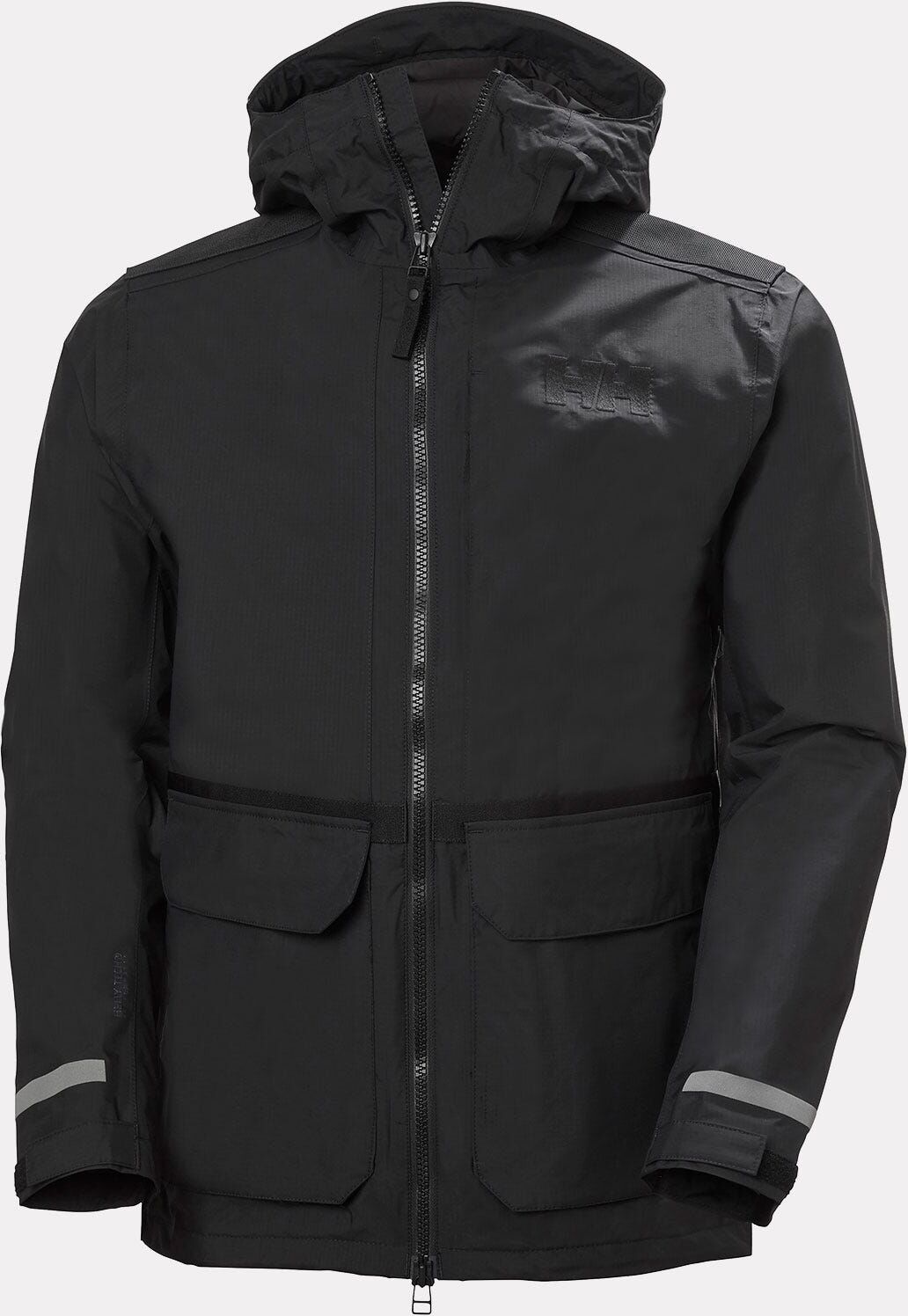
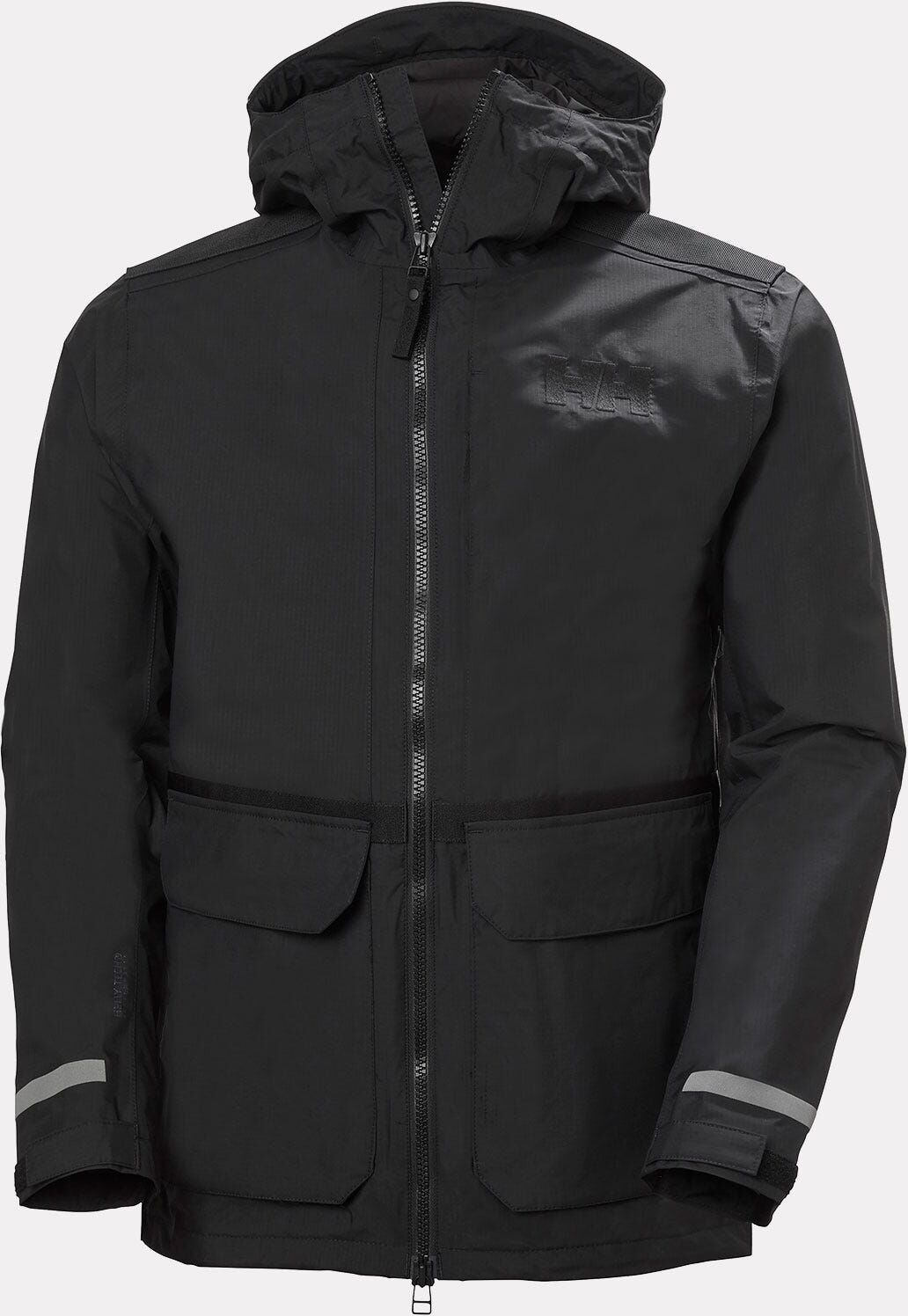
Helly Hansen Men’s Patrol Transition Rain Jacket - Black/Ebony - 2XLOur award-winning Arctic Patrol collection is inspired by Arctic professionals who perform in extreme climates. It’s renowned for extreme protection and striking design. We built the Patrol Transition Jacket to keep you dry on wet days. It features our waterproof/breathable and windproof Helly Tech® Protection construction and has fully taped seams. The sturdy ripstop fabric is water-resistant. Extra details include an adjustable hem and hood, fold-up reflectives and back ventilation. Wear this versatile piece as a standalone, or layer it as the weather demands.200,00 £*Shipping: 0,00 £Secure redirect to the provider
-
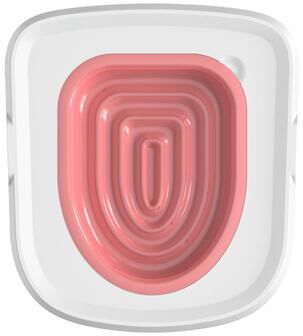
Uplifted Finds Purr Perfect Cat Toilet Training Transition Kit pinkSay goodbye to buying heavy clay litter, dusty tracks, and plastic litter boxes forever with the PurrPerfect Toilet Training Transition Kit. This smart pet behavioral tool uses a stepbystep, clinically tested methodology to smoothly transition your...171,97 $*Shipping: 0,00 $Secure redirect to the provider
-
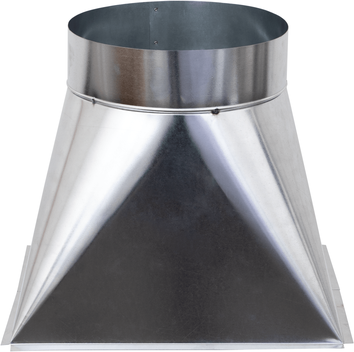
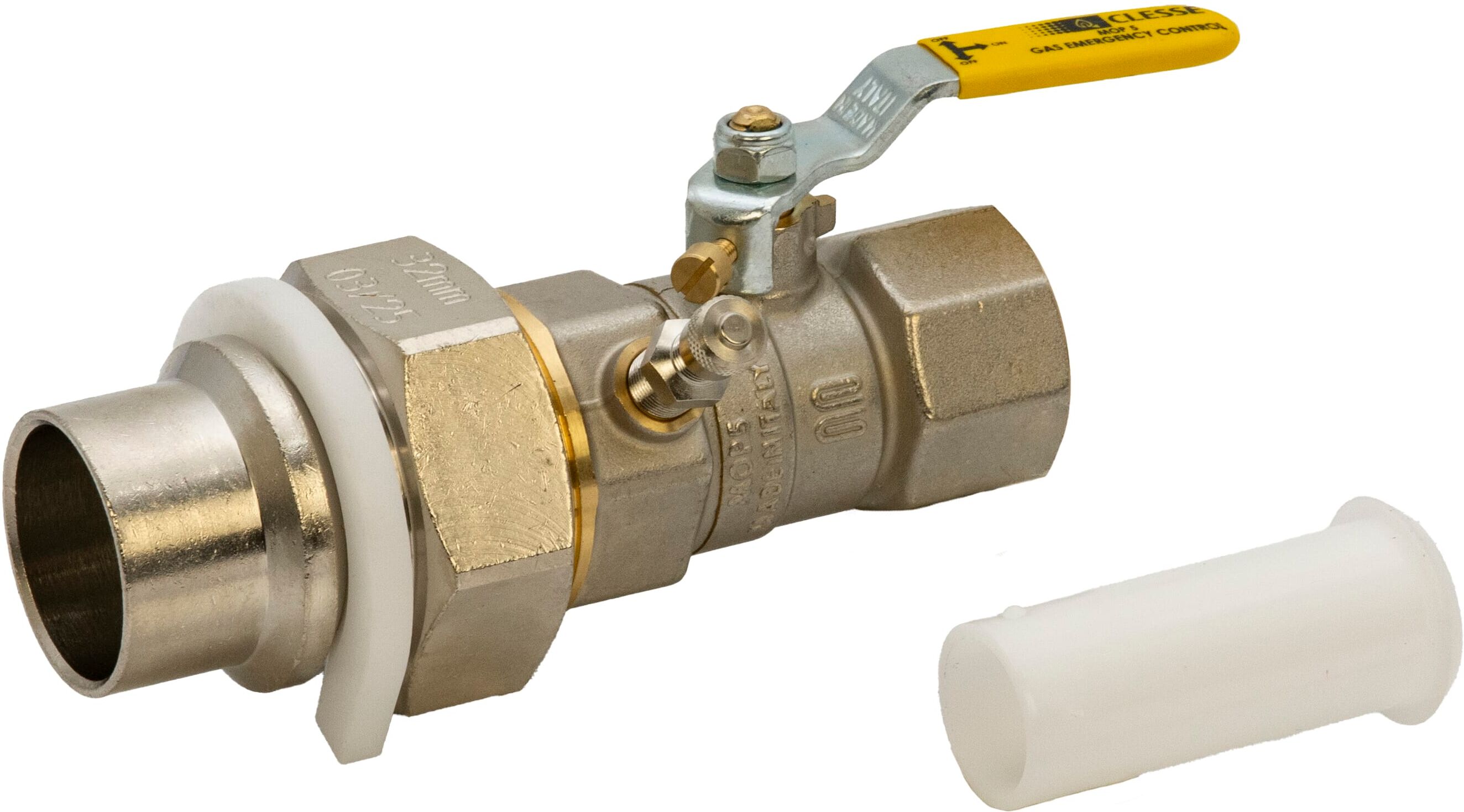
Clesse EvoFit Transition Fitting 1 BSP FM x 32mm MDPEClesse EvoFit Transition Fitting 1 BSP FM x 32mm MDPE (UU32MMX1TF-VFK) Installing a gas isolation point on 32mm MDPE pipework usually means sourcing a transition fitting, an isolation valve, and a test point separately — the Clesse EvoFit combines all three into one compact unit. The mechanical compression fitting makes a safe, leak-free transition between 32mm MDPE pipe and 1 BSP threaded equipment, with the C-Clip retention system securing the pipe without tools. Built into the same unit is a MOP 5 ball valve compliant with EN 331, giving a proper emergency isolation point, along with an integrated test point using a 1/8 BSP Schrader valve for pressure testing and commissioning. The nickel-plated brass body is built for long-term outdoor reliability, and the whole assembly is designed to EN 1555-2. Key Features & Benefits53,82 £*Shipping: 5,00 £Secure redirect to the provider

-
What is a transition?
A transition is a change or shift from one state, condition, or situation to another. It can refer to a physical movement, a change in emotions or thoughts, or a shift in relationships or circumstances. Transitions can be planned or unexpected, and they often involve a period of adjustment or adaptation to the new situation. **
-
What is transition 4?
Transition 4 refers to the fourth stage of labor, which occurs after the cervix has dilated to 8-10 centimeters. During transition, contractions become more intense and frequent, and the mother may experience strong pressure and the urge to push. This stage can be challenging and exhausting for the mother, but it is a sign that the baby will soon be born. It is important for the mother to receive support and encouragement during this phase of labor. **
-
What are transition countries?
Transition countries are nations that are undergoing a shift from a centrally planned economy to a market-oriented economy. These countries are typically former socialist states that are in the process of implementing economic and political reforms to transition to a more open and competitive system. Transition countries often face challenges such as high levels of unemployment, inflation, and corruption as they navigate this transformation. Examples of transition countries include countries in Eastern Europe and Central Asia that were part of the former Soviet bloc. **
-
Is the transition good?
The goodness of a transition depends on various factors such as its impact on individuals, communities, and the environment. A transition can be considered good if it leads to positive outcomes such as improved quality of life, increased sustainability, and reduced inequality. However, if a transition results in negative consequences such as displacement, environmental degradation, or social unrest, it may not be considered good. Therefore, the goodness of a transition is subjective and depends on its overall impact on different aspects of society. **

What is the difference between standard enthalpy of transition and phase transition enthalpy?
The standard enthalpy of transition refers to the enthalpy change when a substance undergoes a transition from one phase to another at a standard pressure and temperature. This can include transitions such as melting, boiling, or sublimation. On the other hand, phase transition enthalpy refers to the enthalpy change specifically during a phase transition, regardless of the pressure and temperature conditions. In other words, phase transition enthalpy is a more general term that encompasses all enthalpy changes during phase transitions, while standard enthalpy of transition specifically refers to these changes at standard conditions. **
What is a transition fit?
A transition fit is a type of fit between two mating parts where the relationship between the sizes of the parts allows for either a clearance fit or an interference fit, depending on the actual sizes of the parts. In a transition fit, the parts can be assembled with either a slight interference or a slight clearance, depending on the specific dimensions of the parts. This type of fit provides flexibility in assembly and allows for a range of clearances or interferences, making it suitable for a variety of applications. **
Top-Angebote
Products related to Transition:
-
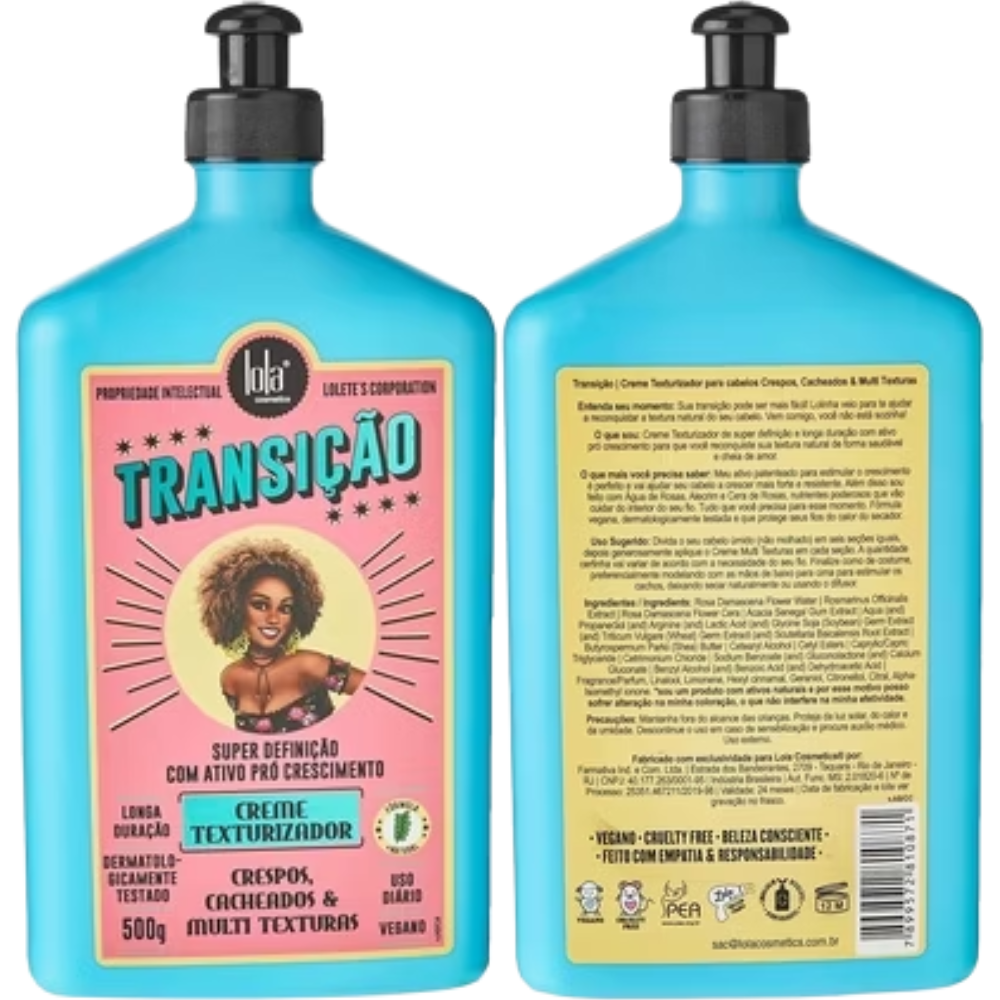
Lola Cosmetics Transition Texturizing Hair Cream 500gA hair-care product. Vegan, heat-protective, and infused with botanical actives for healthy, natural texture. Super curl definition and long-lasting hold. Stimulates healthy hair development. Strengthens and protects from within. Heat protection up to 230°C. 100% vegan and dermatologically tested. Pro-development Complex (Patented): Enhances hair development and resilience.11,50 £*Shipping: 9,91 £Secure redirect to the provider
-
Taboo Uncensored Adult Party Board Game for Adults by HasbroGet ready for outrageous clues, quick thinking, and plenty of laughs with Taboo Uncensored, the adult-only party game from Hasbro Gaming. This edition brings the classic Taboo gameplay to grown-up gatherings with irreverent pop-culture references, risqué topics, and deliberately uncensored humor. Players give clues without saying the forbidden words, while the opposing team listens for any slip-up. The game includes 240 cards featuring 480 guessing words and is designed for fast-paced team gameplay with a timer and buzzer. Suitable for players aged 17 and over, Taboo Uncensored makes a lively choice for parties, game nights, and groups of friends.22,29 £*Shipping: 3,95 £Secure redirect to the provider
-
Helly Hansen Men’s Patrol Transition Rain Jacket - Black/Ebony - 2XLOur award-winning Arctic Patrol collection is inspired by Arctic professionals who perform in extreme climates. It’s renowned for extreme protection and striking design. We built the Patrol Transition Jacket to keep you dry on wet days. It features our waterproof/breathable and windproof Helly Tech® Protection construction and has fully taped seams. The sturdy ripstop fabric is water-resistant. Extra details include an adjustable hem and hood, fold-up reflectives and back ventilation. Wear this versatile piece as a standalone, or layer it as the weather demands.200,00 £*Shipping: 0,00 £Secure redirect to the provider
-
How does the transition from child to adult occur?
The transition from child to adult occurs through a combination of physical, cognitive, emotional, and social changes. Physically, individuals go through puberty and experience growth and development of secondary sexual characteristics. Cognitively, they develop the ability to think abstractly and make more complex decisions. Emotionally, they become more independent and develop a stronger sense of identity. Socially, they take on more responsibilities and begin to establish their own relationships and roles within their communities. This transition is a gradual process that varies from person to person and is influenced by cultural, familial, and environmental factors. **
-
Is there a transition or is there no transition?
There is a transition in the text. **
-
What is a transition?
A transition is a change or shift from one state, condition, or situation to another. It can refer to a physical movement, a change in emotions or thoughts, or a shift in relationships or circumstances. Transitions can be planned or unexpected, and they often involve a period of adjustment or adaptation to the new situation. **
-
What is transition 4?
Transition 4 refers to the fourth stage of labor, which occurs after the cervix has dilated to 8-10 centimeters. During transition, contractions become more intense and frequent, and the mother may experience strong pressure and the urge to push. This stage can be challenging and exhausting for the mother, but it is a sign that the baby will soon be born. It is important for the mother to receive support and encouragement during this phase of labor. **
Similar search terms for Transition
-
Uplifted Finds Purr Perfect Cat Toilet Training Transition Kit pinkSay goodbye to buying heavy clay litter, dusty tracks, and plastic litter boxes forever with the PurrPerfect Toilet Training Transition Kit. This smart pet behavioral tool uses a stepbystep, clinically tested methodology to smoothly transition your...171,97 $*Shipping: 0,00 $Secure redirect to the provider
-
Clesse EvoFit Transition Fitting 1 BSP FM x 32mm MDPEClesse EvoFit Transition Fitting 1 BSP FM x 32mm MDPE (UU32MMX1TF-VFK) Installing a gas isolation point on 32mm MDPE pipework usually means sourcing a transition fitting, an isolation valve, and a test point separately — the Clesse EvoFit combines all three into one compact unit. The mechanical compression fitting makes a safe, leak-free transition between 32mm MDPE pipe and 1 BSP threaded equipment, with the C-Clip retention system securing the pipe without tools. Built into the same unit is a MOP 5 ball valve compliant with EN 331, giving a proper emergency isolation point, along with an integrated test point using a 1/8 BSP Schrader valve for pressure testing and commissioning. The nickel-plated brass body is built for long-term outdoor reliability, and the whole assembly is designed to EN 1555-2. Key Features & Benefits53,82 £*Shipping: 5,00 £Secure redirect to the provider
-
Helly Hansen Men’s Patrol Transition Rain Jacket - Black/Ebony - LOur award-winning Arctic Patrol collection is inspired by Arctic professionals who perform in extreme climates. It’s renowned for extreme protection and striking design. We built the Patrol Transition Jacket to keep you dry on wet days. It features our waterproof/breathable and windproof Helly Tech® Protection construction and has fully taped seams. The sturdy ripstop fabric is water-resistant. Extra details include an adjustable hem and hood, fold-up reflectives and back ventilation. Wear this versatile piece as a standalone, or layer it as the weather demands.200,00 £*Shipping: 0,00 £Secure redirect to the provider
-
Helly Hansen Men’s Patrol Transition Rain Jacket - Black/Ebony - MOur award-winning Arctic Patrol collection is inspired by Arctic professionals who perform in extreme climates. It’s renowned for extreme protection and striking design. We built the Patrol Transition Jacket to keep you dry on wet days. It features our waterproof/breathable and windproof Helly Tech® Protection construction and has fully taped seams. The sturdy ripstop fabric is water-resistant. Extra details include an adjustable hem and hood, fold-up reflectives and back ventilation. Wear this versatile piece as a standalone, or layer it as the weather demands.200,00 £*Shipping: 0,00 £Secure redirect to the provider
-
What are transition countries?
Transition countries are nations that are undergoing a shift from a centrally planned economy to a market-oriented economy. These countries are typically former socialist states that are in the process of implementing economic and political reforms to transition to a more open and competitive system. Transition countries often face challenges such as high levels of unemployment, inflation, and corruption as they navigate this transformation. Examples of transition countries include countries in Eastern Europe and Central Asia that were part of the former Soviet bloc. **
-
Is the transition good?
The goodness of a transition depends on various factors such as its impact on individuals, communities, and the environment. A transition can be considered good if it leads to positive outcomes such as improved quality of life, increased sustainability, and reduced inequality. However, if a transition results in negative consequences such as displacement, environmental degradation, or social unrest, it may not be considered good. Therefore, the goodness of a transition is subjective and depends on its overall impact on different aspects of society. **
-
What is the difference between standard enthalpy of transition and phase transition enthalpy?
The standard enthalpy of transition refers to the enthalpy change when a substance undergoes a transition from one phase to another at a standard pressure and temperature. This can include transitions such as melting, boiling, or sublimation. On the other hand, phase transition enthalpy refers to the enthalpy change specifically during a phase transition, regardless of the pressure and temperature conditions. In other words, phase transition enthalpy is a more general term that encompasses all enthalpy changes during phase transitions, while standard enthalpy of transition specifically refers to these changes at standard conditions. **
-
What is a transition fit?
A transition fit is a type of fit between two mating parts where the relationship between the sizes of the parts allows for either a clearance fit or an interference fit, depending on the actual sizes of the parts. In a transition fit, the parts can be assembled with either a slight interference or a slight clearance, depending on the specific dimensions of the parts. This type of fit provides flexibility in assembly and allows for a range of clearances or interferences, making it suitable for a variety of applications. **
* All prices are inclusive of VAT and, if applicable, plus shipping costs. The offer information is based on the details provided by the respective shop and is updated through automated processes. Real-time updates do not occur, so deviations can occur in individual cases. ** Note: Parts of this content were created by AI.