Buy watchnudefree.eu ?
We are moving the project
watchnudefree.eu .
Are you interested in purchasing the domain
watchnudefree.eu ?
domain@kv-gmbh.de · 0541-91531010
Buy watchnudefree.eu ?
What is transpiration in biology?
Transpiration is the process by which plants absorb water through their roots and then release it into the atmosphere through small openings in their leaves called stomata. This process helps plants to regulate their temperature, transport nutrients, and maintain their shape. Transpiration also plays a role in the water cycle by returning water vapor to the atmosphere. **
How does transpiration depend on humidity?
Transpiration is the process by which water is lost from a plant through the stomata in its leaves. Humidity affects transpiration because it is the measure of water vapor in the air. When the air is dry, with low humidity, the plant will transpire more to compensate for the lack of moisture in the air. Conversely, when the air is humid, with high humidity, the plant will transpire less because the air already contains a significant amount of water vapor. Therefore, transpiration is directly influenced by the humidity of the surrounding air. **


Similar search terms for Transpiration
Top-Angebote
Products related to Transpiration:
-
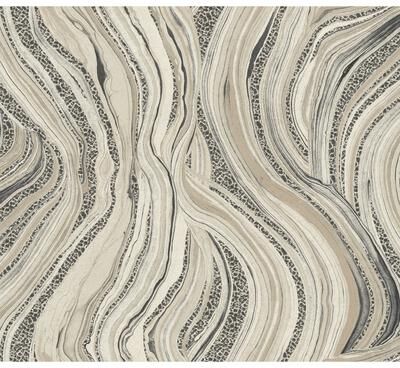
Ronald Redding Streaming Cheetah Linen WallpaperMarble veining and animal skin combine to compose a stream of color and print in pattern Streaming Cheetah. This Streaming Cheetah Wallpaper measures approximately 27 inches wide by 27 feet long, covering About 60.8 square feet per roll.170,00 $*Shipping: 0,00 $Secure redirect to the provider
-
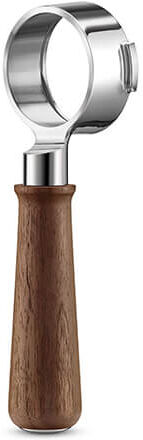
Sage Naked 54mm PortafilterIntroducing Sage the Naked Portafilter, a precision tool designed to help you fine-tune your espresso extraction with clarity and control. Crafted from durable stainless steel and finished with a beautifully balanced walnut handle, this portafilter adds an elegant touch to any Sage espresso setup while offering professional-level functionality. By exposing the bottom of the portafilter, the Naked design allows you to visually diagnose and troubleshoot your espresso shots in real time. Watch the flow, spot channelling, and adjust your grind, dose, or tamping technique to achieve the perfect pour. This level of visibility is essential for anyone looking to refine their espresso-making skills and consistently produce café-quality results. The ergonomic walnut handle is thoughtfully designed with a thumb stop for a secure and comfortable grip, ensuring stability and ease of use during every shot. Compatible with 54mm Sage portafilters, this tool integrates seamlessly into your existing setup, making it an ideal upgrade for home baristas and professionals alike. Complete with a Sage 2 year warranty. Dimensions: 22.3(H) x 5.7(W) x 7.5(D)cm.79,95 £*Shipping: 0,00 £Secure redirect to the provider
-
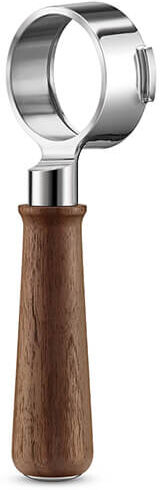
Sage Naked 58mm PortafilterIntroducing Sage the Naked Portafilter, a precision tool designed to help you fine-tune your espresso extraction with clarity and control. Crafted from durable stainless steel and finished with a beautifully balanced walnut handle, this portafilter adds an elegant touch to any Sage espresso setup while offering professional-level functionality. By exposing the bottom of the portafilter, the Naked design allows you to visually diagnose and troubleshoot your espresso shots in real time. Watch the flow, spot channelling, and adjust your grind, dose, or tamping technique to achieve the perfect pour. This level of visibility is essential for anyone looking to refine their espresso-making skills and consistently produce café-quality results. The ergonomic walnut handle is thoughtfully designed with a thumb stop for a secure and comfortable grip, ensuring stability and ease of use during every shot. Compatible with 58mm Sage portafilters, this tool integrates seamlessly into your existing setup, making it an ideal upgrade for home baristas and professionals alike. Complete with a Sage 2 year warranty. Dimensions: 22.4(H) x 6.1(W) x 7.9(D)cm.89,95 £*Shipping: 0,00 £Secure redirect to the provider

-
What does a transpiration diagram look like?
A transpiration diagram typically shows the movement of water through a plant, from the roots to the leaves, and its subsequent release into the atmosphere through the process of transpiration. It often includes arrows to indicate the direction of water flow, as well as labels to identify the different parts of the plant involved in transpiration, such as roots, stem, and leaves. The diagram may also include annotations to explain the role of stomata in regulating transpiration and the factors that influence the rate of water loss. **
-
What is the significance of transpiration for plants?
Transpiration is essential for plants as it helps in the absorption of water and nutrients from the soil through the roots. It also helps in maintaining the plant's temperature by cooling the leaves through the process of evaporation. Additionally, transpiration plays a crucial role in the transportation of minerals and nutrients from the roots to the leaves and other parts of the plant. Overall, transpiration is vital for the overall health and growth of plants. **
-
Why do dead hair reduce transpiration in plants?
Dead hair reduces transpiration in plants because it forms a protective layer over the surface of the plant, reducing the rate of water loss through transpiration. This layer of dead hair acts as a barrier, preventing excessive water loss and helping the plant to conserve water in dry or arid conditions. Additionally, dead hair can also provide insulation, reducing the impact of environmental factors such as wind and sun exposure, which can further reduce transpiration. Overall, dead hair plays a crucial role in helping plants adapt and survive in challenging environmental conditions. **
-
How can an experiment on plant transpiration be conducted?
An experiment on plant transpiration can be conducted by setting up a simple apparatus called a potometer. This apparatus consists of a plant stem inserted into a capillary tube filled with water, allowing you to measure the rate of water uptake by the plant. By controlling factors such as light intensity, temperature, and humidity, you can observe how these variables affect the rate of transpiration in the plant. By recording the changes in water level in the capillary tube over time, you can calculate the rate of transpiration and draw conclusions about the factors influencing this process. **


How can the transpiration process in plants be investigated?
The transpiration process in plants can be investigated through several methods. One common method is to use a potometer, which measures the rate of water uptake by a plant. By measuring the change in water level in the potometer over time, the rate of transpiration can be calculated. Another method is to use a gas analyzer to measure the rate of water vapor loss from the leaves of a plant. Additionally, researchers can use isotopic labeling techniques to track the movement of water through the plant and determine the rate of transpiration. These methods provide valuable insights into the transpiration process and its role in plant physiology. **
How can one conduct an experiment on plant transpiration?
To conduct an experiment on plant transpiration, one can set up a simple experiment using potted plants, plastic bags, a scale, and a ruler. Start by placing a potted plant in a plastic bag and sealing it tightly. Leave the plant in a well-lit area for a set period of time, such as 24 hours. Weigh the plant before and after the experiment to measure the amount of water lost through transpiration. Use the ruler to measure the surface area of the leaves to calculate the rate of transpiration. **
Top-Angebote
Products related to Transpiration:
-
Taboo Uncensored Adult Party Board Game for Adults by HasbroGet ready for outrageous clues, quick thinking, and plenty of laughs with Taboo Uncensored, the adult-only party game from Hasbro Gaming. This edition brings the classic Taboo gameplay to grown-up gatherings with irreverent pop-culture references, risqué topics, and deliberately uncensored humor. Players give clues without saying the forbidden words, while the opposing team listens for any slip-up. The game includes 240 cards featuring 480 guessing words and is designed for fast-paced team gameplay with a timer and buzzer. Suitable for players aged 17 and over, Taboo Uncensored makes a lively choice for parties, game nights, and groups of friends.22,29 £*Shipping: 3,95 £Secure redirect to the provider
-
Roku HD Streaming StickTransform any TV into America’s #1 streaming platform with the Roku Streaming Stick HD. Enjoy quick access to 500+ free HD channels, including live news, sports, weather, and more — all from a sleek, compact device that stays out of sight. Key Features TV Streaming Made Easy: Explore popular apps, free movies, shows, and live TV effortlessly. Streaming has never been simpler or more fun. Compact Design, No Compromises: The stick’s slim design won’t block adjacent HDMI ports and even powers directly from your TV — no wall outlet or extra cords needed. All-in-One Remote: Control your TV and Roku device with a single remote. Adjust volume, power on/off, and search using voice commands. Portable Entertainment: Take your favorite shows with you while traveling without needing to log in on other devices. Bluetooth Headphone Mode: Stream privately by pairing your headphones directly to the Roku Streaming Stick. Apps & Entertainment BBC iPlayer All 4 Netflix Amazon Prime Video YouTube Apple TV+ Disney+ Vimeo Movie rentals Interfaces & Connectivity Wi-Fi enabled General Information Remote control included Compatible with HD TVs EAN: 82961000844827,99 £*Shipping: 0,00 £Secure redirect to the provider
-
Ronald Redding Streaming Cheetah Linen WallpaperMarble veining and animal skin combine to compose a stream of color and print in pattern Streaming Cheetah. This Streaming Cheetah Wallpaper measures approximately 27 inches wide by 27 feet long, covering About 60.8 square feet per roll.170,00 $*Shipping: 0,00 $Secure redirect to the provider
-
What is transpiration in biology?
Transpiration is the process by which plants absorb water through their roots and then release it into the atmosphere through small openings in their leaves called stomata. This process helps plants to regulate their temperature, transport nutrients, and maintain their shape. Transpiration also plays a role in the water cycle by returning water vapor to the atmosphere. **
-
How does transpiration depend on humidity?
Transpiration is the process by which water is lost from a plant through the stomata in its leaves. Humidity affects transpiration because it is the measure of water vapor in the air. When the air is dry, with low humidity, the plant will transpire more to compensate for the lack of moisture in the air. Conversely, when the air is humid, with high humidity, the plant will transpire less because the air already contains a significant amount of water vapor. Therefore, transpiration is directly influenced by the humidity of the surrounding air. **
-
What does a transpiration diagram look like?
A transpiration diagram typically shows the movement of water through a plant, from the roots to the leaves, and its subsequent release into the atmosphere through the process of transpiration. It often includes arrows to indicate the direction of water flow, as well as labels to identify the different parts of the plant involved in transpiration, such as roots, stem, and leaves. The diagram may also include annotations to explain the role of stomata in regulating transpiration and the factors that influence the rate of water loss. **
-
What is the significance of transpiration for plants?
Transpiration is essential for plants as it helps in the absorption of water and nutrients from the soil through the roots. It also helps in maintaining the plant's temperature by cooling the leaves through the process of evaporation. Additionally, transpiration plays a crucial role in the transportation of minerals and nutrients from the roots to the leaves and other parts of the plant. Overall, transpiration is vital for the overall health and growth of plants. **
Similar search terms for Transpiration
-
Sage Naked 54mm PortafilterIntroducing Sage the Naked Portafilter, a precision tool designed to help you fine-tune your espresso extraction with clarity and control. Crafted from durable stainless steel and finished with a beautifully balanced walnut handle, this portafilter adds an elegant touch to any Sage espresso setup while offering professional-level functionality. By exposing the bottom of the portafilter, the Naked design allows you to visually diagnose and troubleshoot your espresso shots in real time. Watch the flow, spot channelling, and adjust your grind, dose, or tamping technique to achieve the perfect pour. This level of visibility is essential for anyone looking to refine their espresso-making skills and consistently produce café-quality results. The ergonomic walnut handle is thoughtfully designed with a thumb stop for a secure and comfortable grip, ensuring stability and ease of use during every shot. Compatible with 54mm Sage portafilters, this tool integrates seamlessly into your existing setup, making it an ideal upgrade for home baristas and professionals alike. Complete with a Sage 2 year warranty. Dimensions: 22.3(H) x 5.7(W) x 7.5(D)cm.79,95 £*Shipping: 0,00 £Secure redirect to the provider
-
Sage Naked 58mm PortafilterIntroducing Sage the Naked Portafilter, a precision tool designed to help you fine-tune your espresso extraction with clarity and control. Crafted from durable stainless steel and finished with a beautifully balanced walnut handle, this portafilter adds an elegant touch to any Sage espresso setup while offering professional-level functionality. By exposing the bottom of the portafilter, the Naked design allows you to visually diagnose and troubleshoot your espresso shots in real time. Watch the flow, spot channelling, and adjust your grind, dose, or tamping technique to achieve the perfect pour. This level of visibility is essential for anyone looking to refine their espresso-making skills and consistently produce café-quality results. The ergonomic walnut handle is thoughtfully designed with a thumb stop for a secure and comfortable grip, ensuring stability and ease of use during every shot. Compatible with 58mm Sage portafilters, this tool integrates seamlessly into your existing setup, making it an ideal upgrade for home baristas and professionals alike. Complete with a Sage 2 year warranty. Dimensions: 22.4(H) x 6.1(W) x 7.9(D)cm.89,95 £*Shipping: 0,00 £Secure redirect to the provider
-
MAC Cosmetics Lustreglass Sheer-Shine Lipstick gloss lipstick shade Uncensored 3.5 gMAC Cosmetics Lustreglass Sheer-Shine Lipstick, 3.5 g, Lipsticks for Women, Beautifully accentuated lips never go out of style. The MAC Cosmetics Lustreglass Sheer-Shine Lipstick lipstick envelops the surface of your lips in a continuous layer of irresistible and rich colour, accentuating any makeup look perfectly, whether you’re heading to work, a meeting or a party. It allows you to emphasise your lips while also giving them the shape you want or a fuller look. In just a moment, it will give your lips a gorgeous colour and perfect shape, making them the centre of attention and irresistibly kissable. Characteristics: creamy texture moisturises and cares for your lips multiple layers can be applied How to use: Apply lipstick to lips from the centre to the corners using gentle strokes.20,32 £*Shipping: 3,99 £Secure redirect to the provider
-
Nutreov Menophytea Intimate Hydration Intimate Cream 30mLA skin-care product. Menophytea Intimate Hydration Cream is specially formulated to address the intimate hydration needs of women, providing comfort and confidence. This gel-cream texture creates a protective film that delivers immediate relief, while its unique blend of emollient and moisturizing ingredients works to soothe and hydrate the vulvar area.5,56 £*Shipping: 4,22 £Secure redirect to the provider
-
Why do dead hair reduce transpiration in plants?
Dead hair reduces transpiration in plants because it forms a protective layer over the surface of the plant, reducing the rate of water loss through transpiration. This layer of dead hair acts as a barrier, preventing excessive water loss and helping the plant to conserve water in dry or arid conditions. Additionally, dead hair can also provide insulation, reducing the impact of environmental factors such as wind and sun exposure, which can further reduce transpiration. Overall, dead hair plays a crucial role in helping plants adapt and survive in challenging environmental conditions. **
-
How can an experiment on plant transpiration be conducted?
An experiment on plant transpiration can be conducted by setting up a simple apparatus called a potometer. This apparatus consists of a plant stem inserted into a capillary tube filled with water, allowing you to measure the rate of water uptake by the plant. By controlling factors such as light intensity, temperature, and humidity, you can observe how these variables affect the rate of transpiration in the plant. By recording the changes in water level in the capillary tube over time, you can calculate the rate of transpiration and draw conclusions about the factors influencing this process. **
-
How can the transpiration process in plants be investigated?
The transpiration process in plants can be investigated through several methods. One common method is to use a potometer, which measures the rate of water uptake by a plant. By measuring the change in water level in the potometer over time, the rate of transpiration can be calculated. Another method is to use a gas analyzer to measure the rate of water vapor loss from the leaves of a plant. Additionally, researchers can use isotopic labeling techniques to track the movement of water through the plant and determine the rate of transpiration. These methods provide valuable insights into the transpiration process and its role in plant physiology. **
-
How can one conduct an experiment on plant transpiration?
To conduct an experiment on plant transpiration, one can set up a simple experiment using potted plants, plastic bags, a scale, and a ruler. Start by placing a potted plant in a plastic bag and sealing it tightly. Leave the plant in a well-lit area for a set period of time, such as 24 hours. Weigh the plant before and after the experiment to measure the amount of water lost through transpiration. Use the ruler to measure the surface area of the leaves to calculate the rate of transpiration. **
* All prices are inclusive of VAT and, if applicable, plus shipping costs. The offer information is based on the details provided by the respective shop and is updated through automated processes. Real-time updates do not occur, so deviations can occur in individual cases. ** Note: Parts of this content were created by AI.