Buy watchnudefree.eu ?
We are moving the project
watchnudefree.eu .
Are you interested in purchasing the domain
watchnudefree.eu ?
domain@kv-gmbh.de · 0541-91531010
Buy watchnudefree.eu ?
How is uniformity calculated?
Uniformity is calculated by comparing the actual values of a set of data to the expected values. This can be done by using statistical measures such as the coefficient of variation or the standard deviation. The closer the actual values are to the expected values, the higher the level of uniformity. Uniformity is important in various fields such as manufacturing, agriculture, and quality control to ensure consistency and reliability in processes and products. **
Can the principle of uniformity and the rule of uniformity be used synonymously?
No, the principle of uniformity and the rule of uniformity are not synonymous. The principle of uniformity refers to the idea that the same processes and natural laws that operate in the universe today have always operated in the same way in the past. This principle is fundamental to the scientific method and the study of natural phenomena. On the other hand, the rule of uniformity is a legal concept that states that a contract or agreement must be interpreted and applied consistently and uniformly. While both concepts involve the idea of consistency and uniform application, they are used in different contexts and have different implications. **


Similar search terms for Uniformity
Top-Angebote
Products related to Uniformity:
-
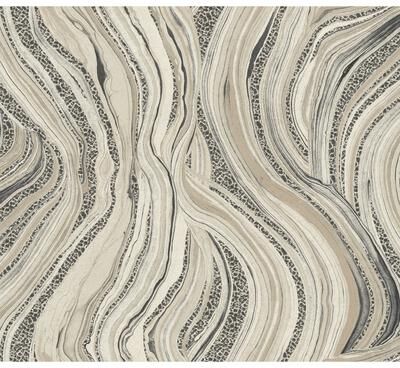
Ronald Redding Streaming Cheetah Linen WallpaperMarble veining and animal skin combine to compose a stream of color and print in pattern Streaming Cheetah. This Streaming Cheetah Wallpaper measures approximately 27 inches wide by 27 feet long, covering About 60.8 square feet per roll.170,00 $*Shipping: 0,00 $Secure redirect to the provider
-
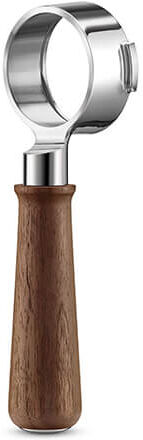
Sage Naked 54mm PortafilterIntroducing Sage the Naked Portafilter, a precision tool designed to help you fine-tune your espresso extraction with clarity and control. Crafted from durable stainless steel and finished with a beautifully balanced walnut handle, this portafilter adds an elegant touch to any Sage espresso setup while offering professional-level functionality. By exposing the bottom of the portafilter, the Naked design allows you to visually diagnose and troubleshoot your espresso shots in real time. Watch the flow, spot channelling, and adjust your grind, dose, or tamping technique to achieve the perfect pour. This level of visibility is essential for anyone looking to refine their espresso-making skills and consistently produce café-quality results. The ergonomic walnut handle is thoughtfully designed with a thumb stop for a secure and comfortable grip, ensuring stability and ease of use during every shot. Compatible with 54mm Sage portafilters, this tool integrates seamlessly into your existing setup, making it an ideal upgrade for home baristas and professionals alike. Complete with a Sage 2 year warranty. Dimensions: 22.3(H) x 5.7(W) x 7.5(D)cm.79,95 £*Shipping: 0,00 £Secure redirect to the provider
-
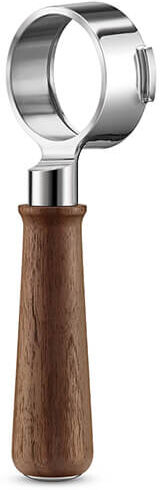
Sage Naked 58mm PortafilterIntroducing Sage the Naked Portafilter, a precision tool designed to help you fine-tune your espresso extraction with clarity and control. Crafted from durable stainless steel and finished with a beautifully balanced walnut handle, this portafilter adds an elegant touch to any Sage espresso setup while offering professional-level functionality. By exposing the bottom of the portafilter, the Naked design allows you to visually diagnose and troubleshoot your espresso shots in real time. Watch the flow, spot channelling, and adjust your grind, dose, or tamping technique to achieve the perfect pour. This level of visibility is essential for anyone looking to refine their espresso-making skills and consistently produce café-quality results. The ergonomic walnut handle is thoughtfully designed with a thumb stop for a secure and comfortable grip, ensuring stability and ease of use during every shot. Compatible with 58mm Sage portafilters, this tool integrates seamlessly into your existing setup, making it an ideal upgrade for home baristas and professionals alike. Complete with a Sage 2 year warranty. Dimensions: 22.4(H) x 6.1(W) x 7.9(D)cm.89,95 £*Shipping: 0,00 £Secure redirect to the provider

-
How do you calculate uniformity?
Uniformity can be calculated by dividing the smallest value in a set of data by the largest value. This ratio provides a measure of how closely the values in the data set are distributed. A uniformity ratio close to 1 indicates a high level of uniformity, meaning the values are evenly distributed. Conversely, a ratio significantly higher than 1 suggests a lack of uniformity, with some values being much larger than others. **
-
Does the uniformity already begin in kindergarten?
Uniformity in kindergarten can begin in various ways, such as through dress codes, classroom rules, and learning expectations. For example, many kindergartens have a dress code that requires students to wear a uniform or adhere to a specific dress standard. Additionally, classroom rules and learning expectations can also contribute to uniformity by setting standard behaviors and academic goals for all students. However, it's important to note that while some level of uniformity may exist in kindergarten, there is also a focus on individual development and creativity at this stage of education. **
-
What are the rules for school sports regarding barefoot requirements and uniformity of clothing?
In most school sports, athletes are required to wear appropriate footwear for safety reasons, so going barefoot is usually not allowed. Additionally, there are usually rules in place regarding the uniformity of clothing, with athletes typically required to wear the same team uniform or designated attire to promote a sense of unity and professionalism. These rules help ensure fairness, safety, and a sense of team spirit among all participants. **
-
What does the first Mendelian rule, also known as the Law of Uniformity, state in detail?
The first Mendelian rule, also known as the Law of Uniformity, states that when two individuals that are pure for contrasting traits are crossed, all their offspring in the first generation will be uniform and express only one of the traits. This means that if a purebred tall plant (TT) is crossed with a purebred short plant (tt), all the offspring in the first generation (F1) will be tall (Tt). This law demonstrates the dominance of one trait over the other in the first generation of offspring. **


What does the 1st Mendelian Law, also known as the Law of Uniformity, state in detail?
The 1st Mendelian Law, also known as the Law of Uniformity, states that when two purebred individuals are crossed, all of their offspring will be of the same phenotype. This means that if two individuals with the same genetic makeup are crossed, their offspring will also have the same genetic makeup and exhibit the same traits. This law helps to explain the predictability of inheritance patterns in offspring and is a fundamental principle in the study of genetics. **
What are typical cliché roles of men in adult cinema erotic films?
In adult cinema erotic films, typical cliché roles of men often include the confident and dominant lover who takes control of the situation, the wealthy and powerful businessman who seduces women with his status and resources, and the rugged and adventurous bad boy who exudes a sense of danger and excitement. These roles often emphasize traditional masculine traits such as assertiveness, physical prowess, and sexual prowess, and they are designed to cater to the fantasies and desires of the audience. However, it's important to note that these roles are often exaggerated and unrealistic, and they do not accurately represent the diversity of male experiences and identities. **
Top-Angebote
Products related to Uniformity:
-
Taboo Uncensored Adult Party Board Game for Adults by HasbroGet ready for outrageous clues, quick thinking, and plenty of laughs with Taboo Uncensored, the adult-only party game from Hasbro Gaming. This edition brings the classic Taboo gameplay to grown-up gatherings with irreverent pop-culture references, risqué topics, and deliberately uncensored humor. Players give clues without saying the forbidden words, while the opposing team listens for any slip-up. The game includes 240 cards featuring 480 guessing words and is designed for fast-paced team gameplay with a timer and buzzer. Suitable for players aged 17 and over, Taboo Uncensored makes a lively choice for parties, game nights, and groups of friends.22,29 £*Shipping: 3,95 £Secure redirect to the provider
-
Roku HD Streaming StickTransform any TV into America’s #1 streaming platform with the Roku Streaming Stick HD. Enjoy quick access to 500+ free HD channels, including live news, sports, weather, and more — all from a sleek, compact device that stays out of sight. Key Features TV Streaming Made Easy: Explore popular apps, free movies, shows, and live TV effortlessly. Streaming has never been simpler or more fun. Compact Design, No Compromises: The stick’s slim design won’t block adjacent HDMI ports and even powers directly from your TV — no wall outlet or extra cords needed. All-in-One Remote: Control your TV and Roku device with a single remote. Adjust volume, power on/off, and search using voice commands. Portable Entertainment: Take your favorite shows with you while traveling without needing to log in on other devices. Bluetooth Headphone Mode: Stream privately by pairing your headphones directly to the Roku Streaming Stick. Apps & Entertainment BBC iPlayer All 4 Netflix Amazon Prime Video YouTube Apple TV+ Disney+ Vimeo Movie rentals Interfaces & Connectivity Wi-Fi enabled General Information Remote control included Compatible with HD TVs EAN: 82961000844827,99 £*Shipping: 0,00 £Secure redirect to the provider
-
Ronald Redding Streaming Cheetah Linen WallpaperMarble veining and animal skin combine to compose a stream of color and print in pattern Streaming Cheetah. This Streaming Cheetah Wallpaper measures approximately 27 inches wide by 27 feet long, covering About 60.8 square feet per roll.170,00 $*Shipping: 0,00 $Secure redirect to the provider
-
How is uniformity calculated?
Uniformity is calculated by comparing the actual values of a set of data to the expected values. This can be done by using statistical measures such as the coefficient of variation or the standard deviation. The closer the actual values are to the expected values, the higher the level of uniformity. Uniformity is important in various fields such as manufacturing, agriculture, and quality control to ensure consistency and reliability in processes and products. **
-
Can the principle of uniformity and the rule of uniformity be used synonymously?
No, the principle of uniformity and the rule of uniformity are not synonymous. The principle of uniformity refers to the idea that the same processes and natural laws that operate in the universe today have always operated in the same way in the past. This principle is fundamental to the scientific method and the study of natural phenomena. On the other hand, the rule of uniformity is a legal concept that states that a contract or agreement must be interpreted and applied consistently and uniformly. While both concepts involve the idea of consistency and uniform application, they are used in different contexts and have different implications. **
-
How do you calculate uniformity?
Uniformity can be calculated by dividing the smallest value in a set of data by the largest value. This ratio provides a measure of how closely the values in the data set are distributed. A uniformity ratio close to 1 indicates a high level of uniformity, meaning the values are evenly distributed. Conversely, a ratio significantly higher than 1 suggests a lack of uniformity, with some values being much larger than others. **
-
Does the uniformity already begin in kindergarten?
Uniformity in kindergarten can begin in various ways, such as through dress codes, classroom rules, and learning expectations. For example, many kindergartens have a dress code that requires students to wear a uniform or adhere to a specific dress standard. Additionally, classroom rules and learning expectations can also contribute to uniformity by setting standard behaviors and academic goals for all students. However, it's important to note that while some level of uniformity may exist in kindergarten, there is also a focus on individual development and creativity at this stage of education. **
Similar search terms for Uniformity
-
Sage Naked 54mm PortafilterIntroducing Sage the Naked Portafilter, a precision tool designed to help you fine-tune your espresso extraction with clarity and control. Crafted from durable stainless steel and finished with a beautifully balanced walnut handle, this portafilter adds an elegant touch to any Sage espresso setup while offering professional-level functionality. By exposing the bottom of the portafilter, the Naked design allows you to visually diagnose and troubleshoot your espresso shots in real time. Watch the flow, spot channelling, and adjust your grind, dose, or tamping technique to achieve the perfect pour. This level of visibility is essential for anyone looking to refine their espresso-making skills and consistently produce café-quality results. The ergonomic walnut handle is thoughtfully designed with a thumb stop for a secure and comfortable grip, ensuring stability and ease of use during every shot. Compatible with 54mm Sage portafilters, this tool integrates seamlessly into your existing setup, making it an ideal upgrade for home baristas and professionals alike. Complete with a Sage 2 year warranty. Dimensions: 22.3(H) x 5.7(W) x 7.5(D)cm.79,95 £*Shipping: 0,00 £Secure redirect to the provider
-
Sage Naked 58mm PortafilterIntroducing Sage the Naked Portafilter, a precision tool designed to help you fine-tune your espresso extraction with clarity and control. Crafted from durable stainless steel and finished with a beautifully balanced walnut handle, this portafilter adds an elegant touch to any Sage espresso setup while offering professional-level functionality. By exposing the bottom of the portafilter, the Naked design allows you to visually diagnose and troubleshoot your espresso shots in real time. Watch the flow, spot channelling, and adjust your grind, dose, or tamping technique to achieve the perfect pour. This level of visibility is essential for anyone looking to refine their espresso-making skills and consistently produce café-quality results. The ergonomic walnut handle is thoughtfully designed with a thumb stop for a secure and comfortable grip, ensuring stability and ease of use during every shot. Compatible with 58mm Sage portafilters, this tool integrates seamlessly into your existing setup, making it an ideal upgrade for home baristas and professionals alike. Complete with a Sage 2 year warranty. Dimensions: 22.4(H) x 6.1(W) x 7.9(D)cm.89,95 £*Shipping: 0,00 £Secure redirect to the provider
-
MAC Cosmetics Lustreglass Sheer-Shine Lipstick gloss lipstick shade Uncensored 3.5 gMAC Cosmetics Lustreglass Sheer-Shine Lipstick, 3.5 g, Lipsticks for Women, Beautifully accentuated lips never go out of style. The MAC Cosmetics Lustreglass Sheer-Shine Lipstick lipstick envelops the surface of your lips in a continuous layer of irresistible and rich colour, accentuating any makeup look perfectly, whether you’re heading to work, a meeting or a party. It allows you to emphasise your lips while also giving them the shape you want or a fuller look. In just a moment, it will give your lips a gorgeous colour and perfect shape, making them the centre of attention and irresistibly kissable. Characteristics: creamy texture moisturises and cares for your lips multiple layers can be applied How to use: Apply lipstick to lips from the centre to the corners using gentle strokes.20,32 £*Shipping: 3,99 £Secure redirect to the provider
-
Nutreov Menophytea Intimate Hydration Intimate Cream 30mLA skin-care product. Menophytea Intimate Hydration Cream is specially formulated to address the intimate hydration needs of women, providing comfort and confidence. This gel-cream texture creates a protective film that delivers immediate relief, while its unique blend of emollient and moisturizing ingredients works to soothe and hydrate the vulvar area.5,56 £*Shipping: 4,22 £Secure redirect to the provider
-
What are the rules for school sports regarding barefoot requirements and uniformity of clothing?
In most school sports, athletes are required to wear appropriate footwear for safety reasons, so going barefoot is usually not allowed. Additionally, there are usually rules in place regarding the uniformity of clothing, with athletes typically required to wear the same team uniform or designated attire to promote a sense of unity and professionalism. These rules help ensure fairness, safety, and a sense of team spirit among all participants. **
-
What does the first Mendelian rule, also known as the Law of Uniformity, state in detail?
The first Mendelian rule, also known as the Law of Uniformity, states that when two individuals that are pure for contrasting traits are crossed, all their offspring in the first generation will be uniform and express only one of the traits. This means that if a purebred tall plant (TT) is crossed with a purebred short plant (tt), all the offspring in the first generation (F1) will be tall (Tt). This law demonstrates the dominance of one trait over the other in the first generation of offspring. **
-
What does the 1st Mendelian Law, also known as the Law of Uniformity, state in detail?
The 1st Mendelian Law, also known as the Law of Uniformity, states that when two purebred individuals are crossed, all of their offspring will be of the same phenotype. This means that if two individuals with the same genetic makeup are crossed, their offspring will also have the same genetic makeup and exhibit the same traits. This law helps to explain the predictability of inheritance patterns in offspring and is a fundamental principle in the study of genetics. **
-
What are typical cliché roles of men in adult cinema erotic films?
In adult cinema erotic films, typical cliché roles of men often include the confident and dominant lover who takes control of the situation, the wealthy and powerful businessman who seduces women with his status and resources, and the rugged and adventurous bad boy who exudes a sense of danger and excitement. These roles often emphasize traditional masculine traits such as assertiveness, physical prowess, and sexual prowess, and they are designed to cater to the fantasies and desires of the audience. However, it's important to note that these roles are often exaggerated and unrealistic, and they do not accurately represent the diversity of male experiences and identities. **
* All prices are inclusive of VAT and, if applicable, plus shipping costs. The offer information is based on the details provided by the respective shop and is updated through automated processes. Real-time updates do not occur, so deviations can occur in individual cases. ** Note: Parts of this content were created by AI.